
"We'd automate, but we don't own the building."
It's a common reason operators hold off, and an understandable one. Most warehouses are leased. Leases end, rents go up, and businesses outgrow sites. Nobody wants to install expensive kit they might have to leave behind, or pay to rip out when they hand the keys back.
But leasing doesn't rule out automation. It changes which kind of automation makes sense, and what you should check before you start.
This article is general guidance, not legal advice. Always check the specifics of your lease with your solicitor or surveyor.
Fixed vs mobile: the distinction that matters most
Some automation is built into the building: large automated storage systems, fixed conveyors, mezzanine-mounted sortation. These usually involve structural work, are designed around a specific layout, and are expensive to dismantle and move. In a leased building, they tie your investment to a property you don't control.
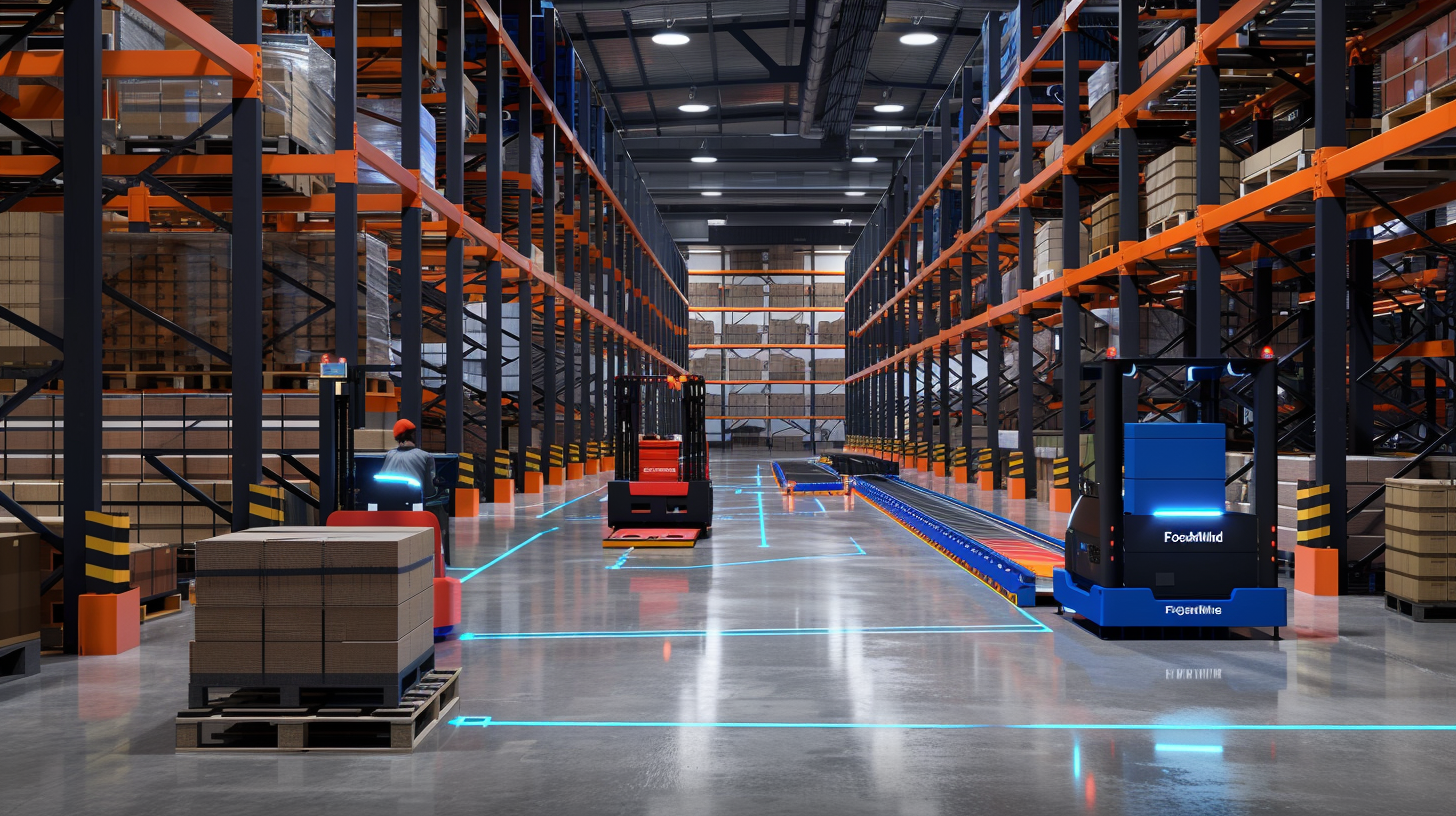
Other automation runs on the building rather than being built into it. Mobile robots navigate your existing floor and racking. The software that coordinates them lives in the cloud. Neither needs the site to be reshaped around it.
For a leased warehouse, the more of your automation sits in the second group, the less your lease end date matters.
What to check in your lease before you start
Even mobile automation can touch your lease in a few places. Worth reviewing:
- Alterations clauses. Some leases need landlord consent for anything beyond minor changes. Charging points, floor markings or extra network infrastructure may count.
- Electrical capacity. Robot charging adds load. Check what your supply can handle and who's responsible for upgrades.
- Floor condition. Mobile robots need a reasonably flat, even floor. Find out whether any floor repairs would fall to you or the landlord.
- Reinstatement and dilapidations. Find out what you'd need to remove or make good when you leave. Mobile kit typically leaves far less behind than fixed systems.
- Break clauses and renewal dates. Know your timeline, and size your commitment to it.
Most of these are quick conversations, not dealbreakers. Having them early saves surprises later.
deploys (charging, floor, Wi-Fi, any floor codes) so we can add a line on what's needed.*
Matching your commitment to your lease
Your lease length and your automation commitment should line up. If you've got two years left, a five-year capital project doesn't make sense. Automation you can start small, pay for as you use it, and scale up or down does.
That's where a subscription model helps. Instead of a large upfront purchase that needs years to pay back, you pay a predictable operating cost that you can size to the time you've got. If you renew, you scale up. If you move, the commitment hasn't outlived the building.
What happens when you move
This is where architecture matters most.
If your automation is locked into one vendor's fixed system, moving usually means starting again. If it's mobile robots coordinated by a vendor-neutral software layer, the move looks very different. The robots are relocated, the software is set up for the new layout, and you're back up and running. Your processes, data and know-how come with you.
A move is also a chance to adjust. If the new site suits a different mix of machines, a vendor-neutral setup lets you add or swap robot types without rebuilding everything.
Questions to ask any automation vendor
If you lease your site, put these to anyone you're speaking to:
- What changes to the building does your system need?
- What would we need to remove or make good at the end of our lease?
- How long would it take to move the system to a new site, and what would it cost?
- Can we scale the deployment down if our space or contracts change?
- Does your software work with robots from other manufacturers, if our next site needs something different?
Clear answers to these tell you how much of your investment is tied to the building, and how much moves with your business.
The bottom line
Leasing your warehouse is a reason to choose your automation carefully, not a reason to avoid it. Favour kit that runs on the building rather than being built into it, match your commitment to your lease, and choose an architecture that moves with you.
Leasing your site and wondering what's realistic? Talk to the FloxMind team!