
How to Maximise Warehouse Automation ROI Without Replacing Existing Systems
Many warehouses have already invested heavily in automation, from autonomous mobile robots (AMRs) and conveyor systems to sorting equipment and Warehouse Management Systems (WMS). Yet despite these investments, operational costs remain high, workflows are often fragmented, and automation rarely delivers its full potential.
The problem isn't always a lack of automation. It's that existing systems often operate independently, limiting how efficiently the warehouse performs as a whole.
Adding more robots or replacing existing systems isn't necessarily the answer. In many cases, the greatest opportunity lies in making the technology you already own work better together.
FloxMind helps warehouses unlock more value from their existing automation investments through robot-agnostic orchestration software. By connecting different robot brands, automation equipment and warehouse systems, FloxMind enables operators to improve productivity, reduce operational costs and scale automation without replacing their existing WMS or robotic infrastructure.
In this blog, we'll explore how warehouse operators and 3PLs can maximise automation ROI by improving the performance of their existing systems, eliminating inefficiencies and making smarter use of their automation investments.
---
#
Understand Your Current Warehouse Costs and KPIs
Before investing in additional automation, it's important to understand how efficiently your existing systems are performing and where value is being lost.
Many warehouses already have the equipment needed to improve productivity, but disconnected systems, manual handovers and inefficient task allocation prevent them from achieving their full potential.
Start by reviewing your current operational performance:
- Labour costs: Identify manual activities, overtime and temporary labour that could be reduced through better automation coordination.
- Picking and packing productivity: Measure orders and items processed per hour, and identify bottlenecks between automated and manual workflows.
- Order fulfilment cycle times: Understand where delays occur between picking, sorting, packing and dispatch.
- Automation utilisation: Evaluate how effectively existing robots, conveyors and sorting equipment are being used, including idle time and waiting time.
- Equipment uptime and maintenance: Identify operational interruptions, unnecessary movements and inefficiencies caused by disconnected systems.
These metrics provide a baseline for identifying improvements and quantifying potential savings.
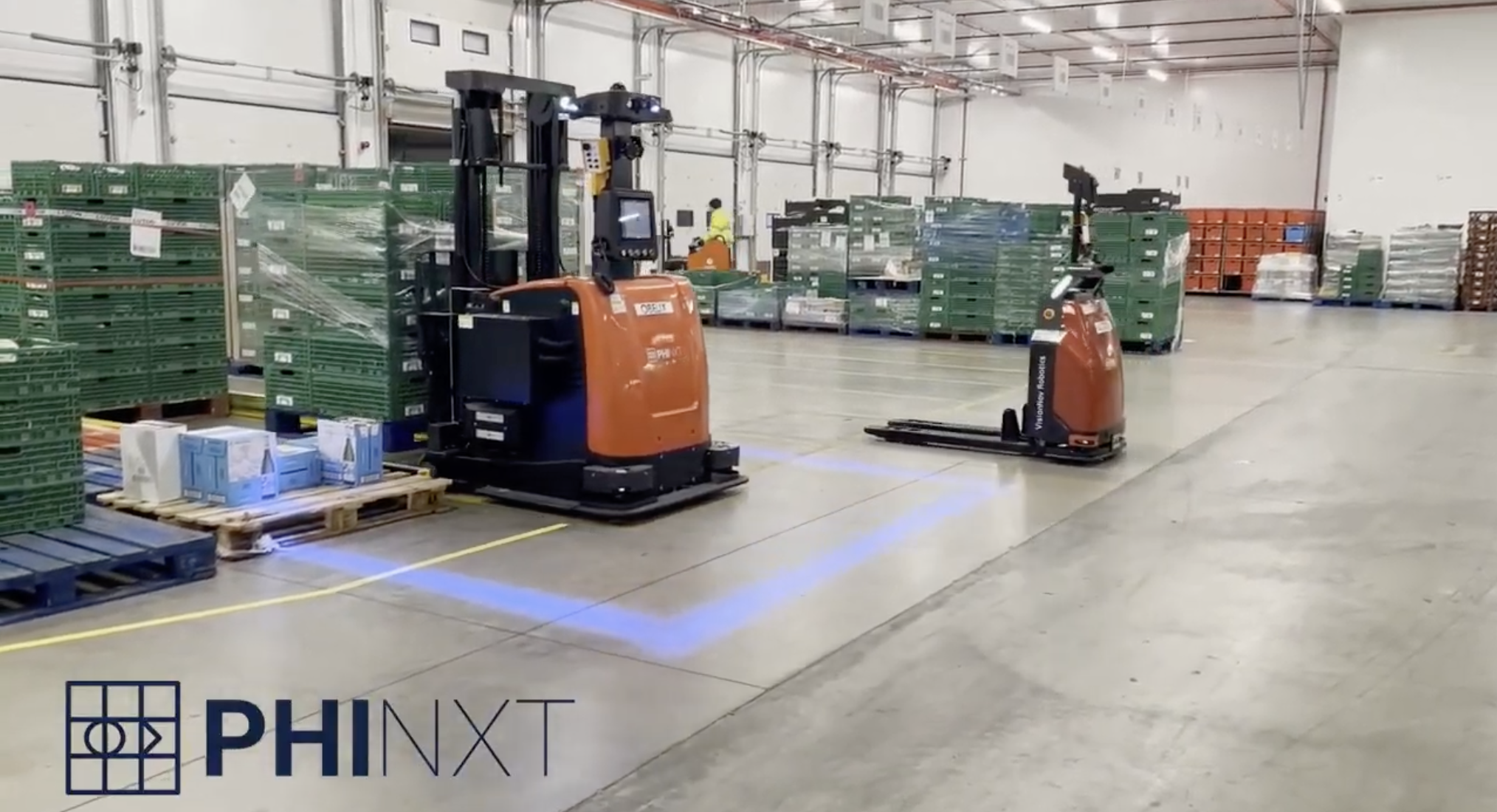
For example, a warehouse may already operate AMRs for goods movement and a conveyor system for sorting, but still rely on manual coordination between the two. Connecting these systems through an intelligent orchestration platform can reduce waiting times, improve workflow efficiency and increase throughput without requiring a complete infrastructure replacement.
The key question isn't how much more automation you need to buy. It's how much more value you can generate from the automation you already own.
\*Assumption: The potential improvements described depend on the warehouse's existing equipment, operational processes, integration capabilities and current utilisation. Actual ROI should be assessed against site-specific performance data.